
PRODUCT
PRODUCT
Decorative Profile Section
Decorative Profile Section
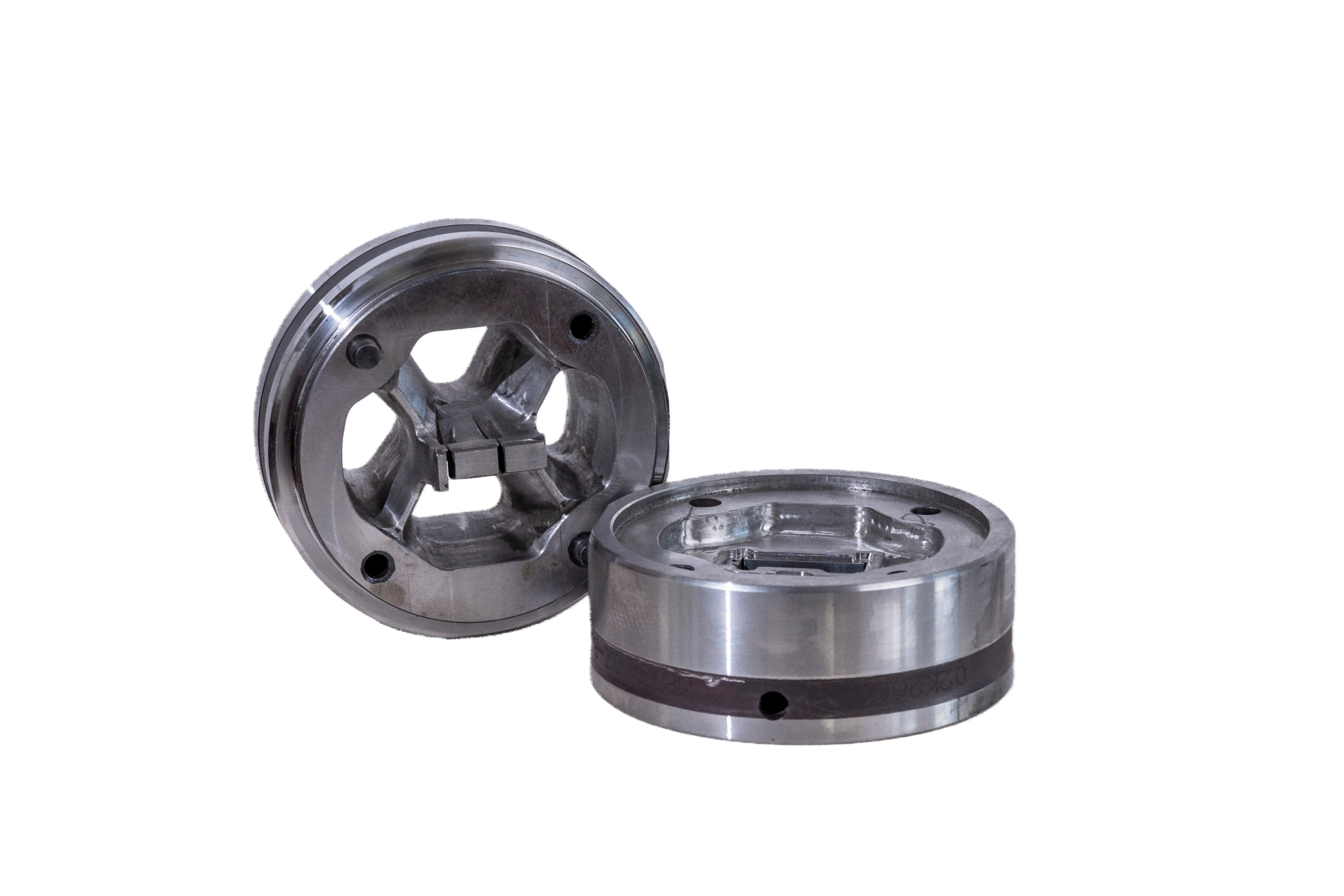
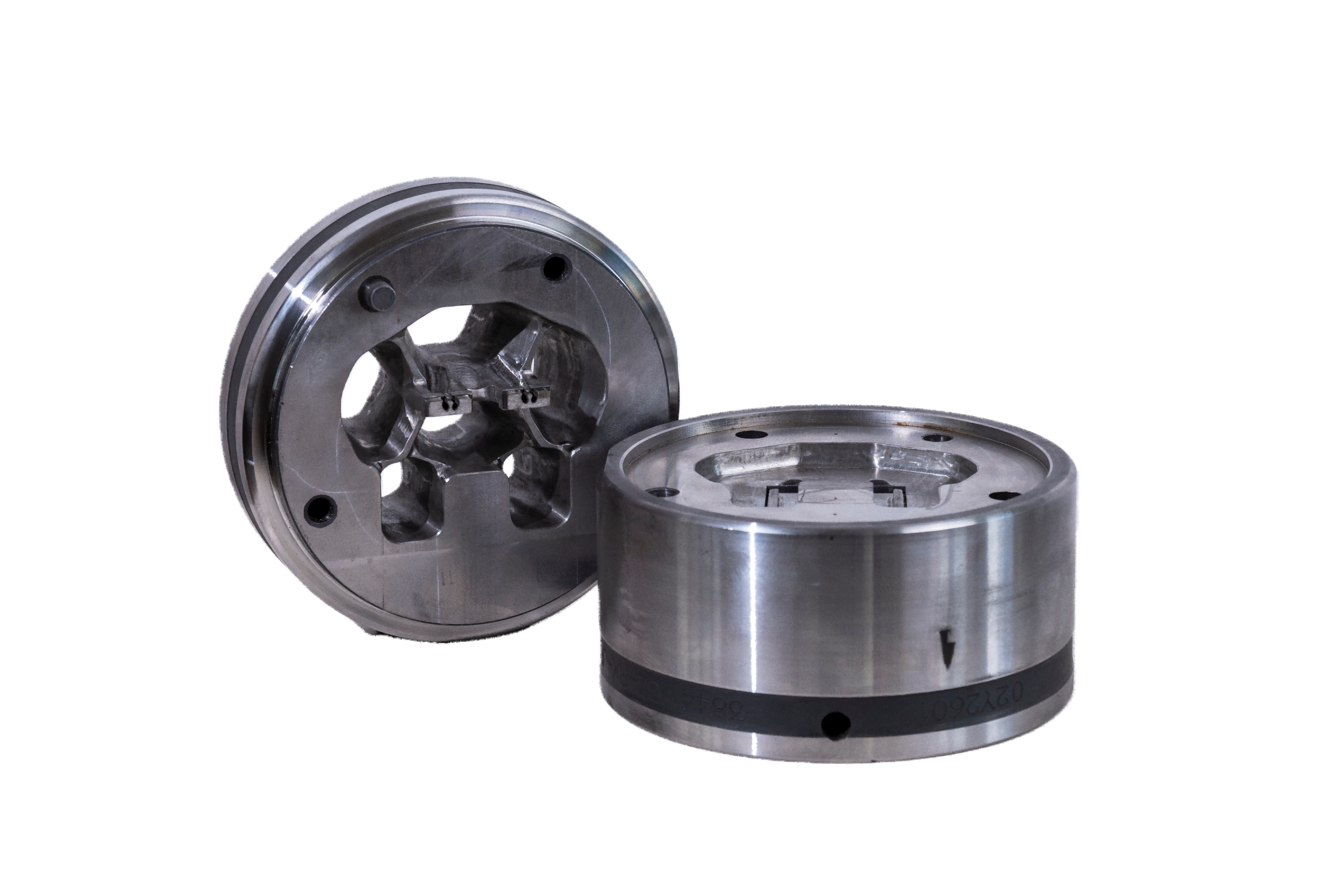
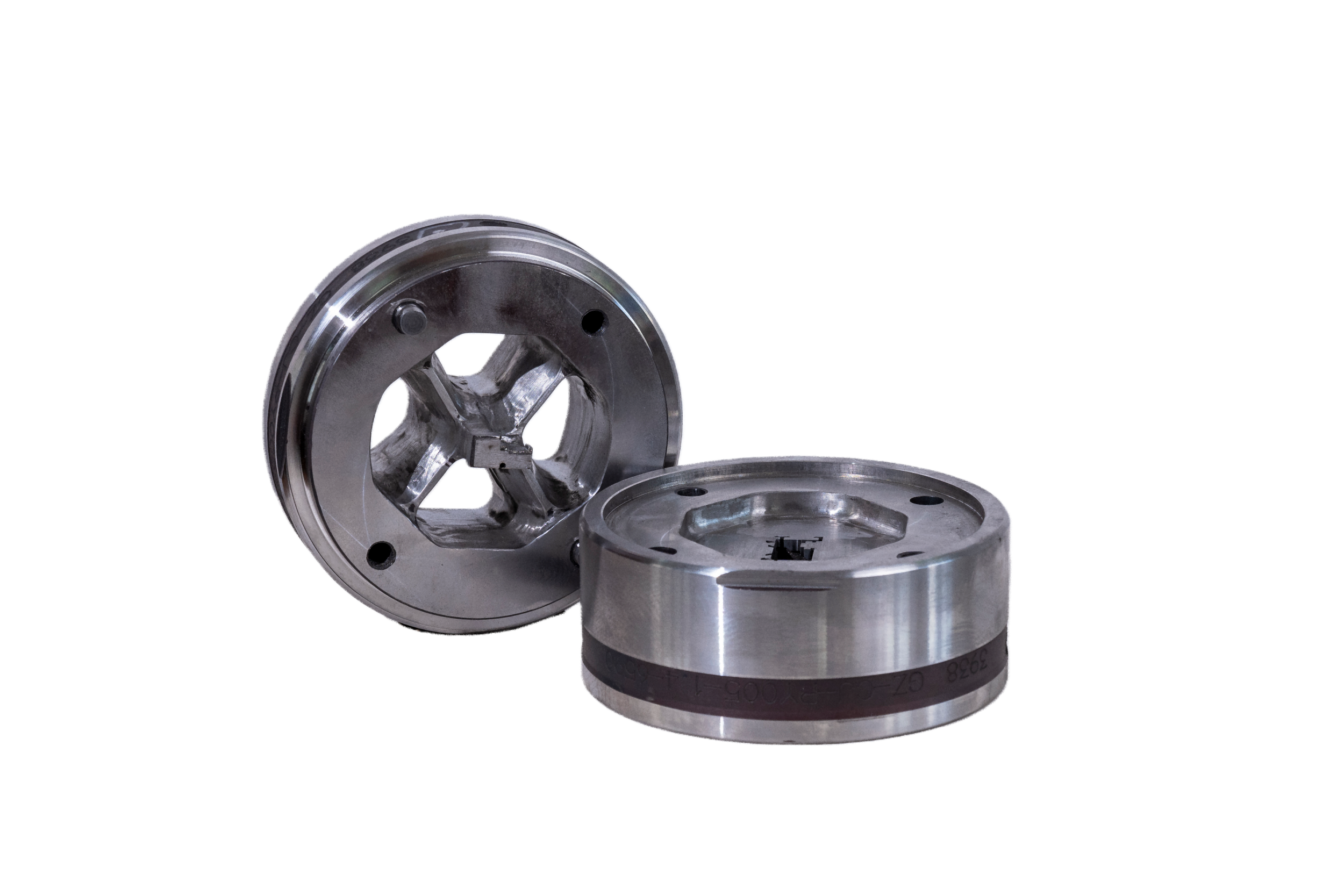
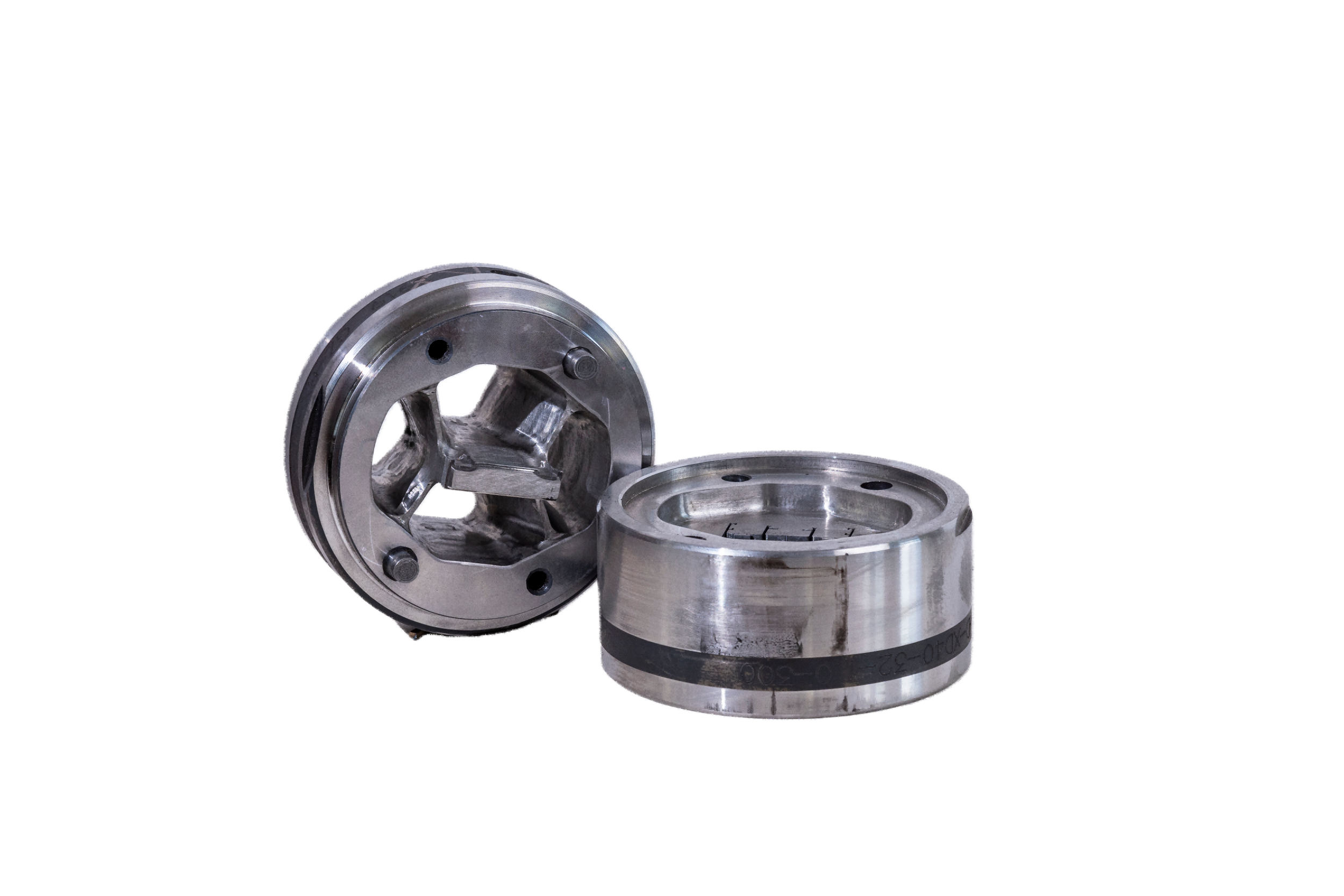
Introduction to Molds for Decorative Aluminum Profiles
Molds for decorative aluminum profiles are the core tooling for extruding aluminum profiles used in architectural decoration, which press aluminum billets into profiles with diverse special cross-sections (e.g., decorative lines, curtain wall claddings, decorative panels, handrails) via extruders. They directly determine the dimensional accuracy, surface finish and decorative texture of the profiles, and are the key to the production of high-quality decorative aluminum profiles.
Introduction to Molds for Decorative Aluminum Profiles
Molds for decorative aluminum profiles are the core tooling for extruding aluminum profiles used in architectural decoration, which press aluminum billets into profiles with diverse special cross-sections (e.g., decorative lines, curtain wall claddings, decorative panels, handrails) via extruders. They directly determine the dimensional accuracy, surface finish and decorative texture of the profiles, and are the key to the production of high-quality decorative aluminum profiles.
Core Types
Classified by extrusion process and structural characteristics, the molds are mainly divided into three types, tailored to different decorative profile demands:
Core Types
Classified by extrusion process and structural characteristics, the molds are mainly divided into three types, tailored to different decorative profile demands:
01. Flat Dies
Simple in structure, low in cost and fast in processing, suitable for decorative profiles with simple solid cross-sections (e.g., basic decorative lines, small handrail bars).
02. Porthole Dies
Able to produce hollow decorative profiles by splitting and recombining aluminum flow,
applicable to lightweight decorative components (e.g., hollow decorative columns,
curtain wall keels) with requirements for structural lightness and aesthetic layering.
03. Shaped Composite Dies
Customized designed for special-shaped decorative profiles with complex curved surfaces,
irregular cross-sections or integrated decorative structures,
ensuring the precise forming of the profile's special decorative shapes.

Core Materials
Bearing high temperature, high pressure and aluminum material friction during extrusion, the molds are mainly made of high-performance hot work die steel, with mainstream grades and features as follows:
• H13 (4Cr5MoSiV1): The most commonly used grade, with excellent high-temperature strength, wear resistance and toughness, suitable for most decorative aluminum profile molds with high cost performance. • 8407/8418: High-end die steel with stronger thermal fatigue resistance and wear resistance, applicable to mass production of high-precision, complex-shaped decorative profiles. • SKD61: Japanese grade with performance close to H13, widely used in medium and small batch production of decorative molds.
Core Materials
Bearing high temperature, high pressure and aluminum material friction during extrusion, the molds are mainly made of high-performance hot work die steel, with mainstream grades and features as follows:
• H13 (4Cr5MoSiV1): The most commonly used grade, with excellent high-temperature strength, wear resistance and toughness, suitable for most decorative aluminum profile molds with high cost performance. • 8407/8418: High-end die steel with stronger thermal fatigue resistance and wear resistance, applicable to mass production of high-precision, complex-shaped decorative profiles. • SKD61: Japanese grade with performance close to H13, widely used in medium and small batch production of decorative molds.
Core Processing Requirements
Decorative aluminum profiles focus on aesthetic appearance and dimensional precision, so the mold processing has stricter decorative forming requirements:
1. High Precision Machining
Adopt CNC, WEDM-LS to process the mold cavity and bearing surface, ensuring the cross-sectional dimensional accuracy of ±0.02~0.05mm, avoiding profile size deviation affecting decorative assembly.
2. Mirror Polishing
Carry out high-precision mirror polishing on the mold's working surface (Ra≤0.4μm), reducing aluminum material friction to ensure the profile's surface is smooth and blemish-free, meeting the decorative finish demand.
3. Special-shaped Forming Accuracy
For molds of curved, arc or irregular decorative profiles, strictly control the forming radian and surface transition smoothness to avoid profile surface steps or unevenness.
4. Heat Treatment Hardness
The mold hardness is controlled at HRC48~56 after quenching and tempering, balancing wear resistance and toughness to prevent mold deformation or cracking during extrusion.
Special Design & Forming Requirements
Decorative aluminum profiles focus on aesthetic appearance and dimensional precision, so the mold processing has stricter decorative forming requirements

UCustomized Cavity Design
Fully match the customized decorative shape of the profile (e.g., carved texture, concave-convex pattern, special curved surface), realizing the one-time forming of the profile's decorative structure without secondary processing.

Smooth Material Flow
Optimize the mold's shunt bridge, porthole and bearing surface design to ensure uniform aluminum flow, avoiding profile defects such as lack of material, shrinkage and surface scratches that affect the decorative effect.

Thickness Uniformity
For thin-walled decorative panels, claddings and other profiles, ensure the wall thickness deviation is within ±0.08mm to prevent profile warpage and deformation, and ensure the flatness of decorative installation.

Edge & Corner Finishing
The mold's cavity is designed with smooth transition of edges and corners (small fillet treatment as required), avoiding sharp edges and corners of the profile that are easy to damage and affecting the decorative aesthetic.
Core Processing Requirements
Decorative aluminum profiles focus on aesthetic appearance and dimensional precision, so the mold processing has stricter decorative forming requirements:
1. High Precision Machining
Adopt CNC, WEDM-LS to process the mold cavity and bearing surface, ensuring the cross-sectional dimensional accuracy of ±0.02~0.05mm, avoiding profile size deviation affecting decorative assembly.
2. Mirror Polishing
Carry out high-precision mirror polishing on the mold's working surface (Ra≤0.4μm), reducing aluminum material friction to ensure the profile's surface is smooth and blemish-free, meeting the decorative finish demand.
3. Special-shaped Forming Accuracy
For molds of curved, arc or irregular decorative profiles, strictly control the forming radian and surface transition smoothness to avoid profile surface steps or unevenness.
4. Heat Treatment Hardness
The mold hardness is controlled at HRC48~56 after quenching and tempering, balancing wear resistance and toughness to prevent mold deformation or cracking during extrusion.
Special Design & Forming Requirements
Decorative aluminum profiles focus on aesthetic appearance and dimensional precision, so the mold processing has stricter decorative forming requirements
Customized Cavity Design
Fully match the customized decorative shape of the profile (e.g., carved texture, concave-convex pattern, special curved surface), realizing the one-time forming of the profile's decorative structure without secondary processing.

Customized Cavity Design
Fully match the customized decorative shape of the profile (e.g., carved texture, concave-convex pattern, special curved surface), realizing the one-time forming of the profile's decorative structure without secondary processing.
Smooth Material Flow
Optimize the mold's shunt bridge, porthole and bearing surface design to ensure uniform aluminum flow, avoiding profile defects such as lack of material, shrinkage and surface scratches that affect the decorative effect.

Smooth Material Flow
Optimize the mold's shunt bridge, porthole and bearing surface design to ensure uniform aluminum flow, avoiding profile defects such as lack of material, shrinkage and surface scratches that affect the decorative effect.
Thickness Uniformity
For thin-walled decorative panels, claddings and other profiles, ensure the wall thickness deviation is within ±0.08mm to prevent profile warpage and deformation, and ensure the flatness of decorative installation.

Thickness Uniformity
For thin-walled decorative panels, claddings and other profiles, ensure the wall thickness deviation is within ±0.08mm to prevent profile warpage and deformation, and ensure the flatness of decorative installation.
Edge & Corner Finishing
The mold's cavity is designed with smooth transition of edges and corners (small fillet treatment as required), avoiding sharp edges and corners of the profile that are easy to damage and affecting the decorative aesthetic.

Edge & Corner Finishing
The mold's cavity is designed with smooth transition of edges and corners (small fillet treatment as required), avoiding sharp edges and corners of the profile that are easy to damage and affecting the decorative aesthetic.
Daily Maintenance & Service Life
Daily Maintenance & Service Life
Industry Development Trends
With the development of architectural decoration towards personalized customization, light weight and high aesthetic quality, decorative aluminum profile molds are upgrading in the following directions:
1. High Precision Machining
Adopt CNC, WEDM-LS to process the mold cavity and bearing surface, ensuring the cross-sectional dimensional accuracy of ±0.02~0.05mm, avoiding profile size deviation affecting decorative assembly.
2. Mirror Polishing
Carry out high-precision mirror polishing on the mold's working surface (Ra≤0.4μm), reducing aluminum material friction to ensure the profile's surface is smooth and blemish-free, meeting the decorative finish demand.
3. Special-shaped Forming Accuracy
For molds of curved, arc or irregular decorative profiles, strictly control the forming radian and surface transition smoothness to avoid profile surface steps or unevenness.
4. Heat Treatment Hardness
The mold hardness is controlled at HRC48~56 after quenching and tempering, balancing wear resistance and toughness to prevent mold deformation or cracking during extrusion.
Industry Development Trends
With the development of architectural decoration towards personalized customization, light weight and high aesthetic quality, decorative aluminum profile molds are upgrading in the following directions:
1. High Precision Machining
Adopt CNC, WEDM-LS to process the mold cavity and bearing surface, ensuring the cross-sectional dimensional accuracy of ±0.02~0.05mm, avoiding profile size deviation affecting decorative assembly.
2. Mirror Polishing
Carry out high-precision mirror polishing on the mold's working surface (Ra≤0.4μm), reducing aluminum material friction to ensure the profile's surface is smooth and blemish-free, meeting the decorative finish demand.
3. Special-shaped Forming Accuracy
For molds of curved, arc or irregular decorative profiles, strictly control the forming radian and surface transition smoothness to avoid profile surface steps or unevenness.
4. Heat Treatment Hardness
The mold hardness is controlled at HRC48~56 after quenching and tempering, balancing wear resistance and toughness to prevent mold deformation or cracking during extrusion.


Email: aludiesgo@gmail.com

Whatsapp: +852 6619 1132

Address: Phase II of Changhongling Industrial Park, Shishan Town, Nanhai District, Foshan City, Guangdong, China.
Email: aludiesgo@gmail.com
Whatsapp: +852 6619 1132
Address: Phase II of Changhongling Industrial Park, Shishan Town, Nanhai District, Foshan City, Guangdong, China.


Copyright ©ALUDIES Aluminum Profile Extrusion Die Factory All Rights Reserved. SITEMAP
