
The Ultimate Guide to Selecting Aluminum Extrusion Dies for Windows and Doors
2026-03-18 16:41:52
Click:
“
In the production costs of aluminum alloy windows and doors, the quality of the dies directly determines whether profiles can be produced efficiently and meet specifications. Selecting the right set of aluminum extrusion dies is not only a technical task but also a strategic decision that impacts both production efficiency and product quality. This guide will outline the key considerations for selection across three core dimensions.
”
1. Control from the Source: Materials and Design
The operating environment for dies is extremely harsh, requiring them to withstand intense friction and cyclic loads under high temperatures and pressures. Therefore, material selection is the cornerstone of die longevity. Traditional 3Cr2W8V steel has gradually been phased out; the industry’s current consensus on a superior choice is H13 steel (4Cr5MoSiV1), which offers excellent high-temperature performance and thermal fatigue resistance, with a service life 3–5 times longer than traditional materials.
In addition to materials, design is the soul of a die. An excellent die design optimizes for the characteristics of door and window profiles, such as “asymmetrical cross-sections and uneven wall thicknesses.” For example, using unequal-length working zones** helps balance metal flow and prevent twisting and deformation during extrusion. At the same time, the design must precisely calculate the extrusion ratio (typically between 10 and 50) and strategically arrange die hole positions to ensure die strength.
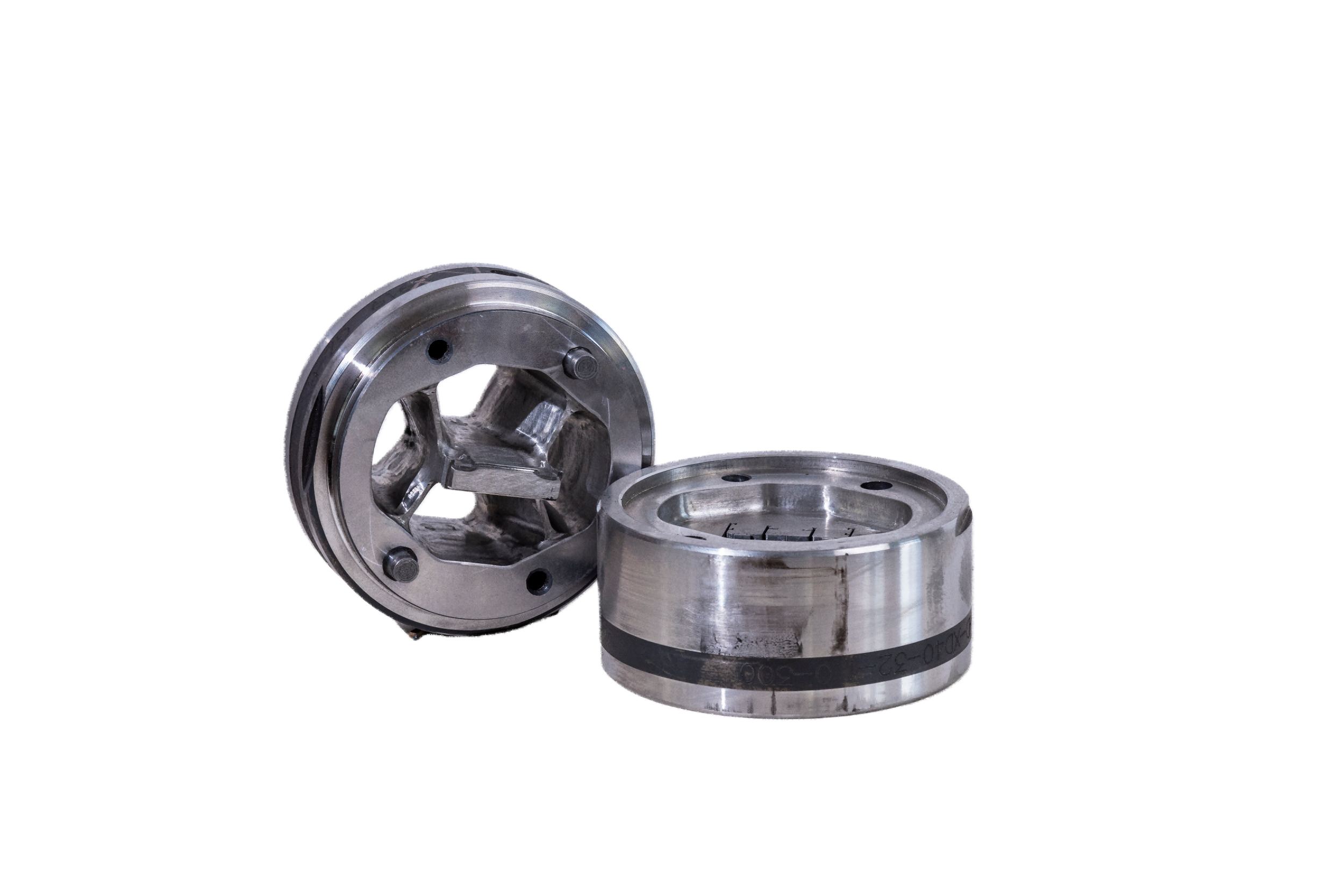
2. Manufacturing Assurance: Process and Precision
“Quality materials” must be paired with “precise craftsmanship.” **Heat treatment processes** directly impact the final performance of the die. For H13 steel, the industry typically employs a process of high-temperature quenching (1040–1080°C) combined with 2–3 tempering cycles to eliminate internal stresses and achieve a uniform microstructure.
Furthermore, machining precision must not be overlooked. High-precision CNC machining and EDM technology ensure accurate cavity dimensions. For 6063 aluminum alloy, a shrinkage rate of 1.01%–1.09% must be accounted for during design. Additionally, subjecting the mold to nitriding treatment (with a recommended nitrided layer thickness of 0.15–0.20 mm) can significantly enhance surface hardness and reduce thermal wear.
3. From Concept to Implementation: Suppliers and Services
Selecting a mold supplier is essentially choosing a technical partner. When evaluating suppliers, in addition to assessing whether they possess **CAD/CAM/CAE digital design and simulation capabilities**, it is even more important to focus on their expertise in mold life-extension technologies such as **laser cladding repair and arc additive manufacturing.
A high-quality supplier not only provides the dies but also offers comprehensive technical support throughout the entire process, from alloy selection (such as the 6063 alloy specifically designed for doors and windows) to the extrusion process. They will assist you in **selecting the appropriate extruder tonnage** based on the complexity of the profile cross-section and wall thickness, and in establishing a reasonable extrusion speed (generally controlled below 25 mm/s), thereby maximizing both die life and production efficiency.
In summary, selecting aluminum extrusion dies for doors and windows is not merely a matter of price; it requires a comprehensive evaluation spanning materials science, manufacturing processes, and after-sales service. Only by organically integrating these three dimensions can you select durable, cost-effective production tools.











Email: aludiesgo@gmail.com

Whatsapp: +852 6619 1132

Address: Phase II of Changhongling Industrial Park, Shishan Town, Nanhai District, Foshan City, Guangdong, China.
Email: aludiesgo@gmail.com
Whatsapp: +852 6619 1132
Address: Phase II of Changhongling Industrial Park, Shishan Town, Nanhai District, Foshan City, Guangdong, China.


Copyright ©ALUDIES Aluminum Profile Extrusion Die Factory All Rights Reserved. SITEMAP
