
PRODUCT
PRODUCT
Window & Door Profile Section
Window & Door Profile Section
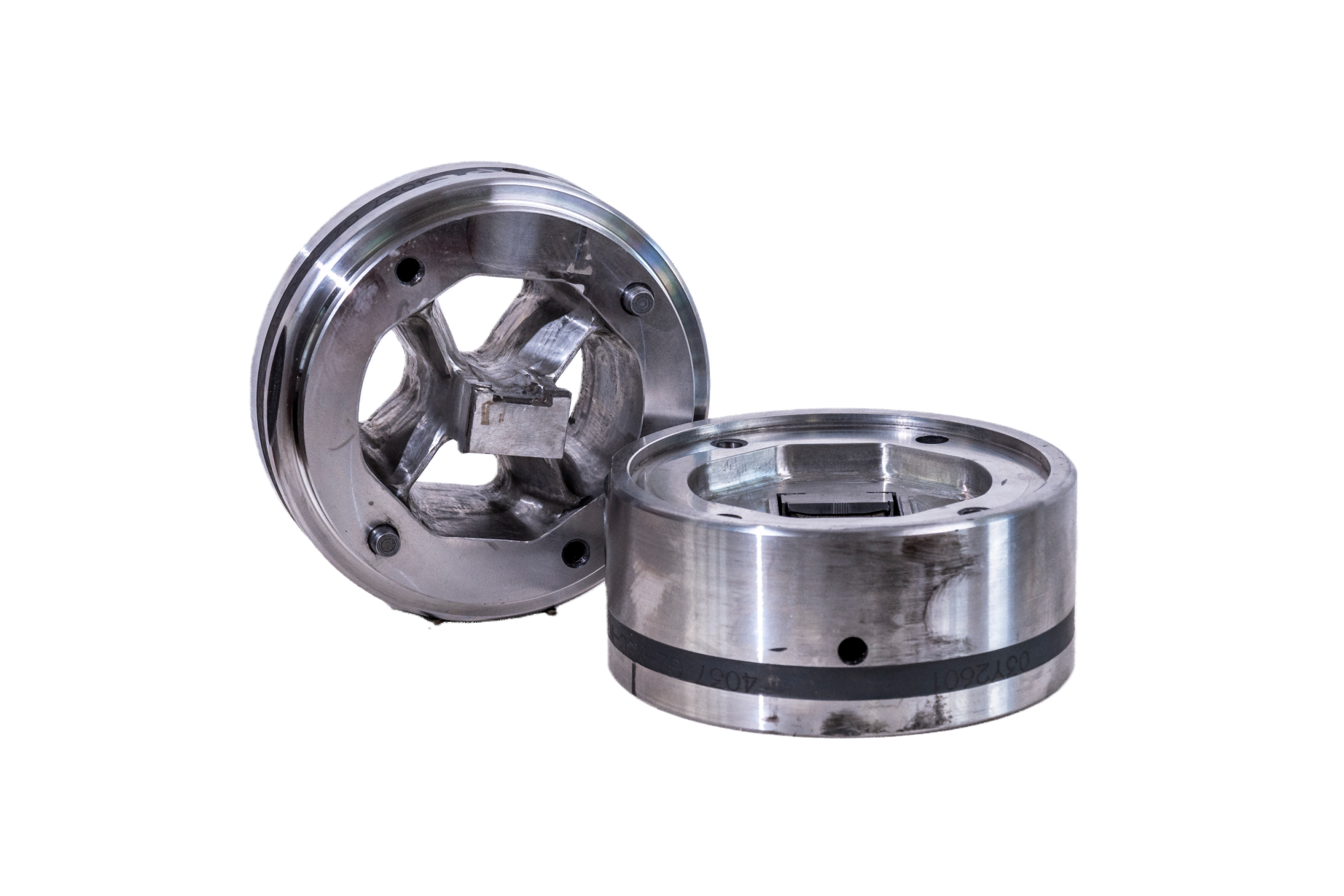

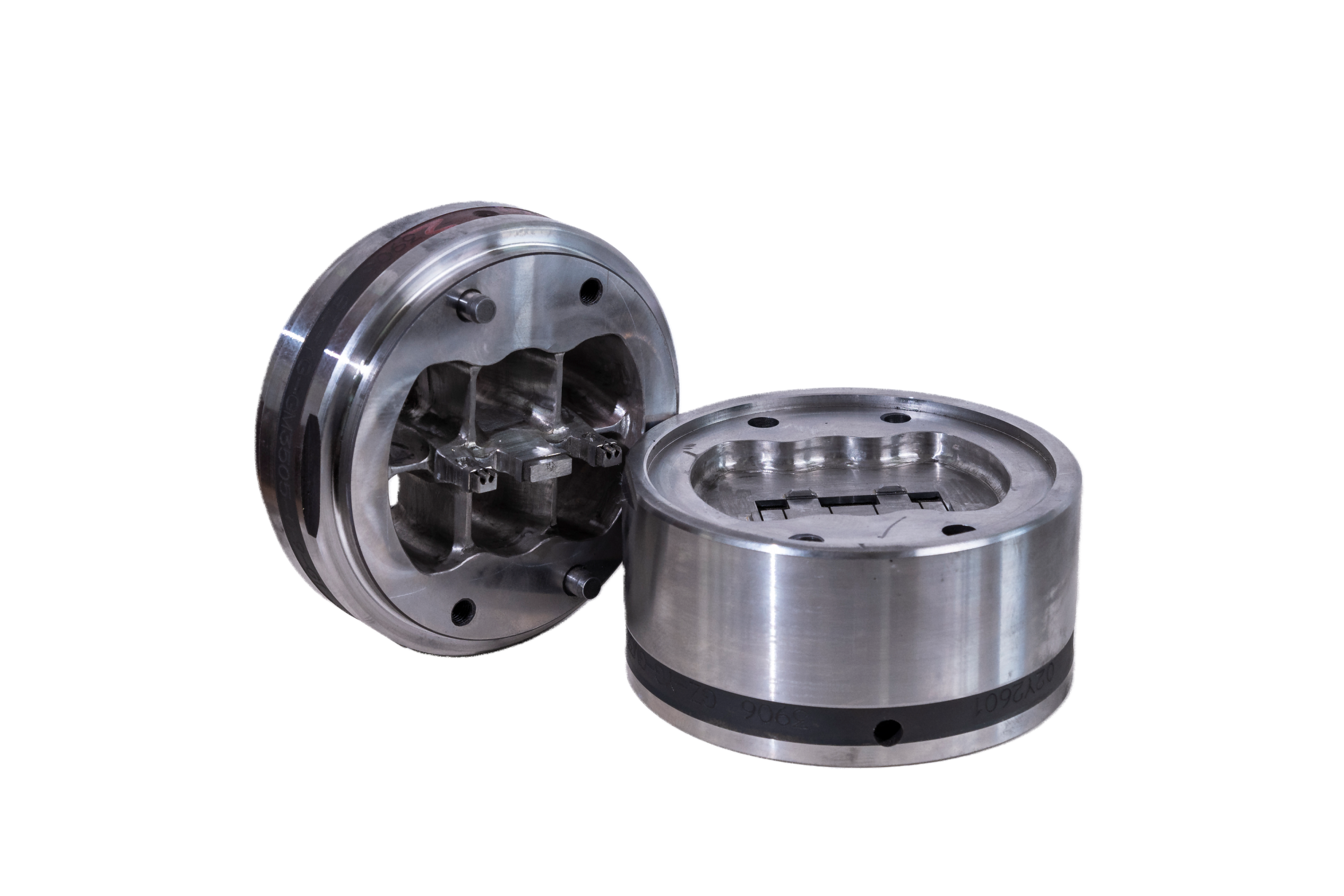
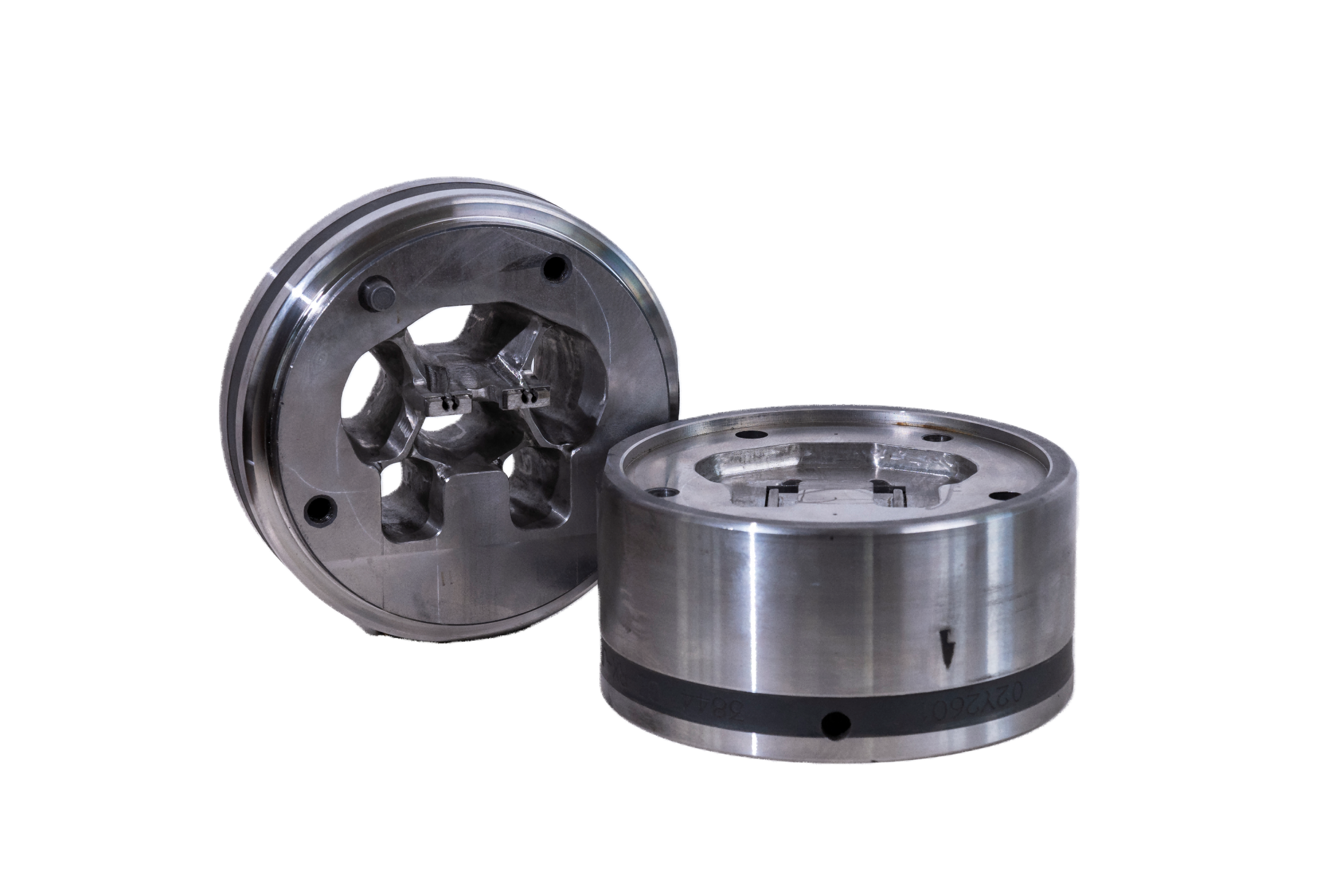
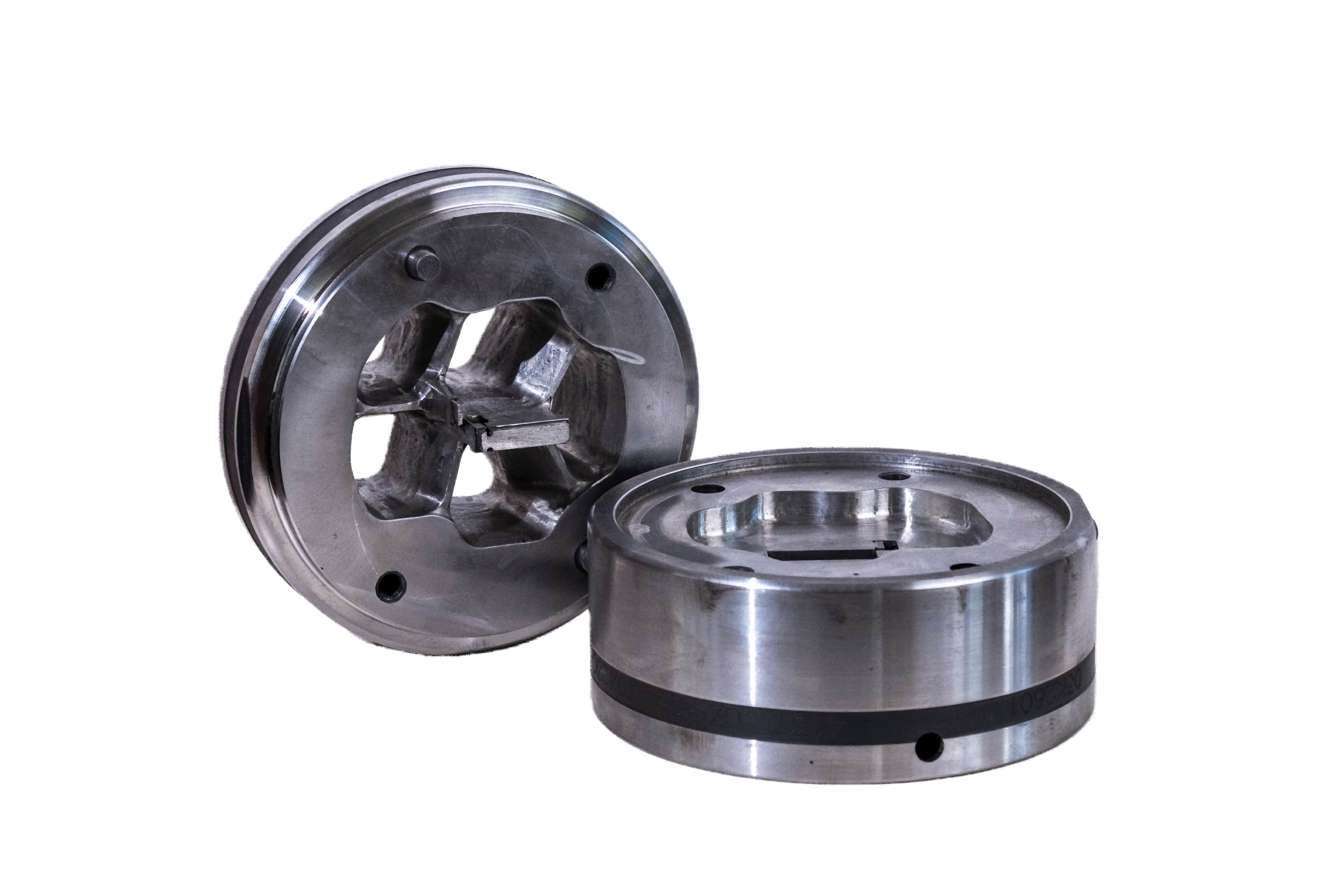
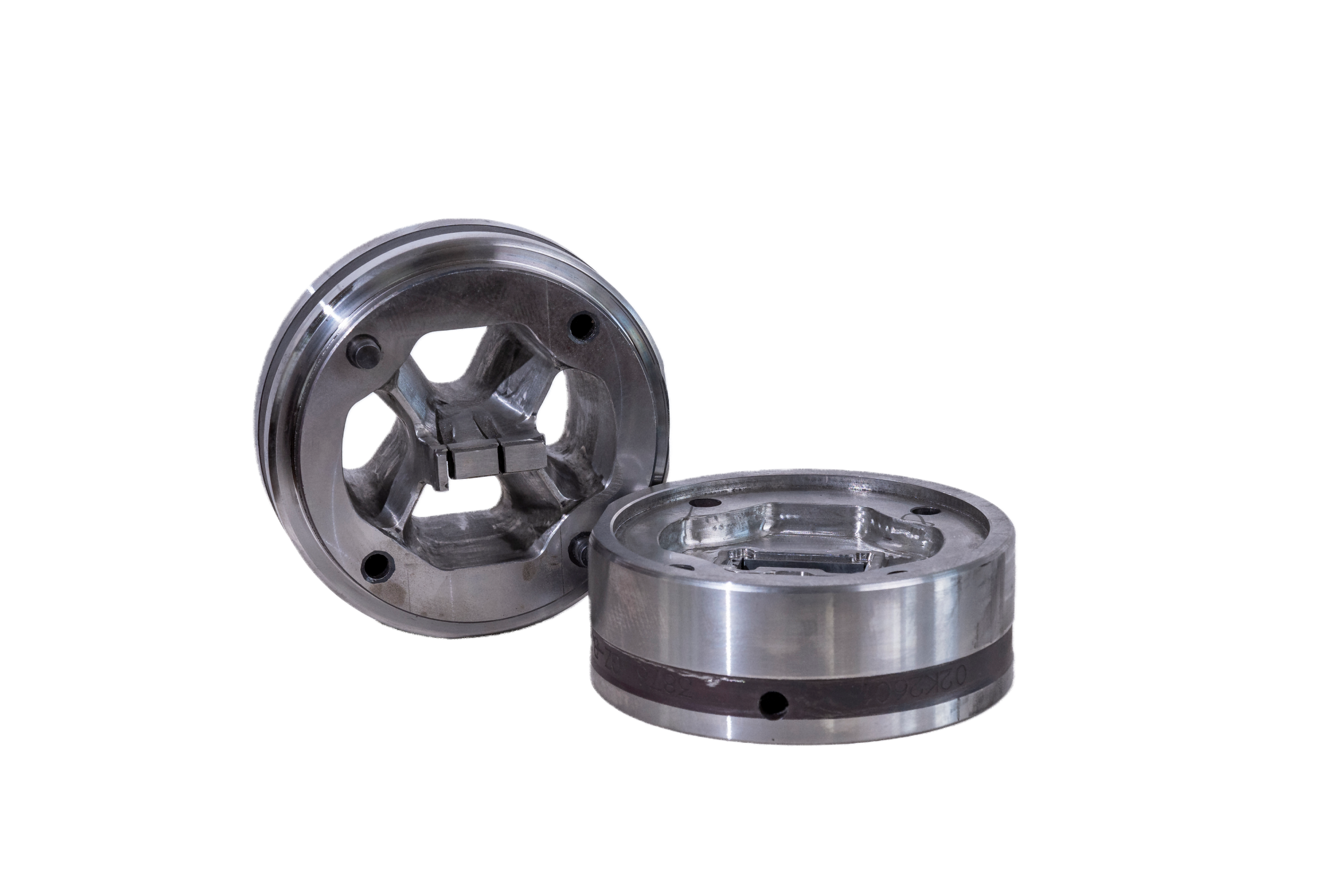
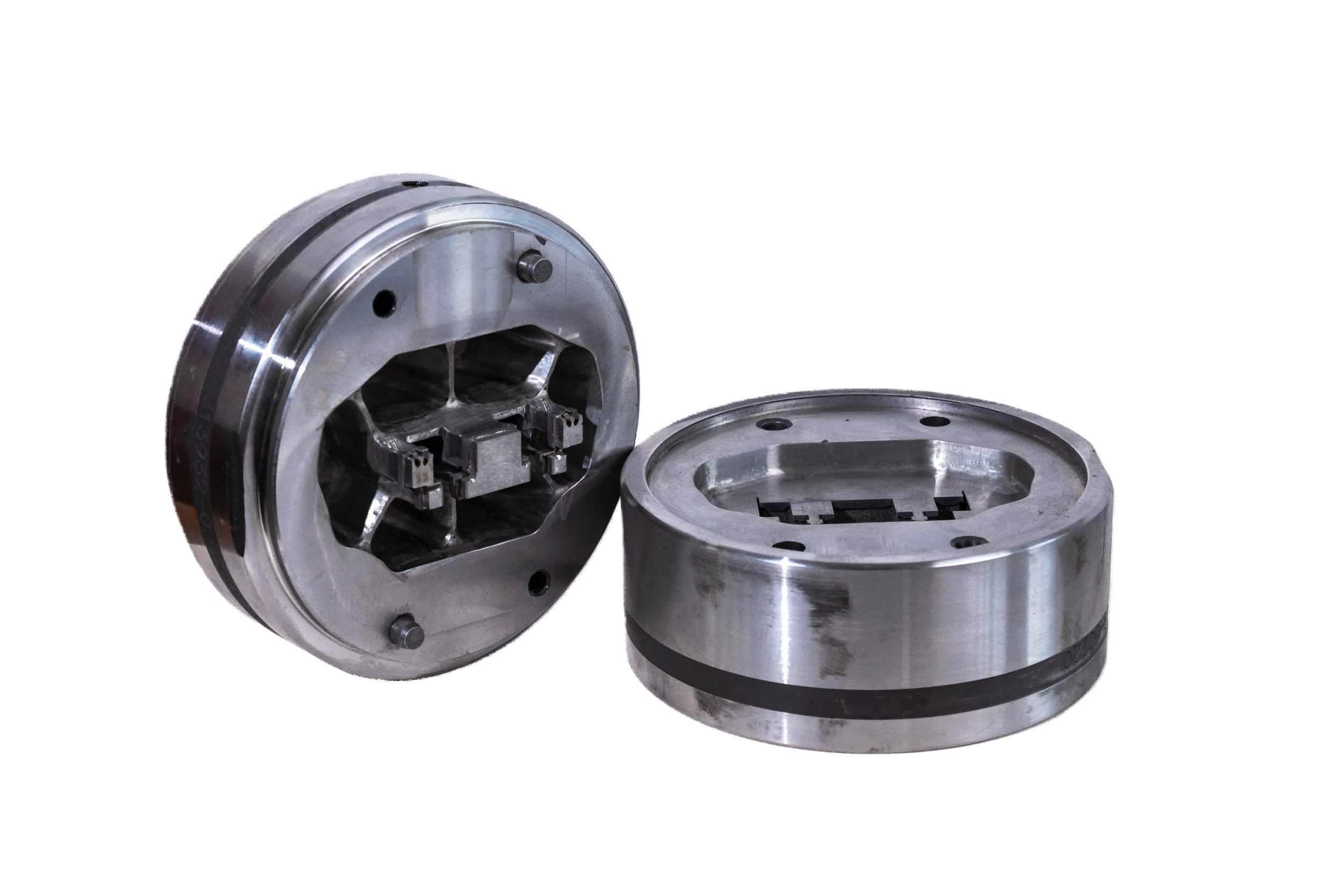
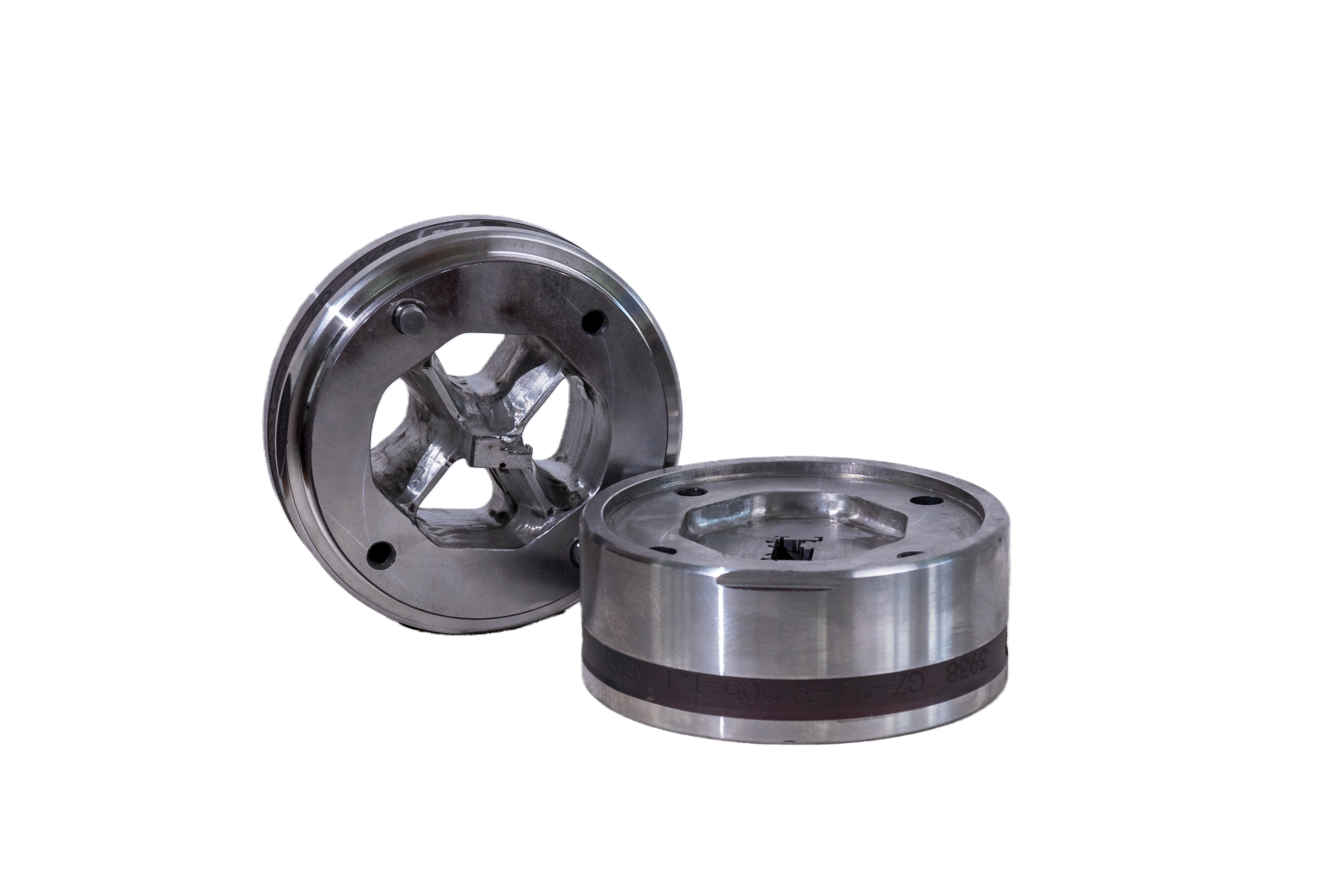
Introduction to Molds for
Aluminum Profiles of Doors and Windows
The aluminum profile upper door track is a core load-bearing and guiding component of sliding door and translation door systems. Made of extruded aluminum alloy profiles, it is installed on the top of the door leaf and cooperates with pulley assemblies to achieve stable sliding and positioning of the door leaf.
Introduction to Molds for
Aluminum Profiles of Doors and Windows
The aluminum profile upper door track is a core load-bearing and guiding component of sliding door and translation door systems. Made of extruded aluminum alloy profiles, it is installed on the top of the door leaf and cooperates with pulley assemblies to achieve stable sliding and positioning of the door leaf.
Core Types
Core Types
Classified by extrusion process and structure, molds for aluminum profiles of doors and windows fall into two main categories, adapted to different profile requirements:
01.Flat dies
Featuring simple structure, short processing cycle and low cost,
they are suitable for door and window profiles with simple cross-sections (e.g., single-cavity beadings,
simple sash profiles) and serve as the basic molds for door and window profile production.
02.Porthole dies (multi-hole dies/assembly dies)
They split aluminum material into multiple streams through portholes and then extrude it with die assembly,
enabling the production of hollow and complex multi-cavity door and window profiles (e.g., main frames, multi-cavity sash profiles, thermal break profiles).
With higher precision, they are the mainstream molds for mid-to-high end door and window profiles.

Key Structures (Taking Porthole Dies as an Example)
The core structure of door and window profile molds is designed around aluminum material forming, with each component undertaking a distinct role:
• Die pad: Bears pressure, protects the main die body and improves extrusion stability. • Outer die (bearing surface): The part where the profile takes its final shape; the finish and dimensions of the bearing surface directly determine the cross-sectional accuracy and surface smoothness of the profile. • Inner die (mandrel): Shapes the hollow cavities of the profile, adapting to the structural design of multi-cavity door and window profiles. • Bridge: Splits aluminum billets into multiple material streams; the thickness and angle of the bridge affect the uniformity of material flow and avoid material shortage and uneven wall thickness of profiles. • Die sleeve: Fixes the mold, ensures the coaxiality of the mold during extrusion and prevents mold deformation.
Key Structures (Taking Porthole Dies as an Example)
The core structure of door and window profile molds is designed around aluminum material forming, with each component undertaking a distinct role:
• Die pad: Bears pressure, protects the main die body and improves extrusion stability. • Outer die (bearing surface): The part where the profile takes its final shape; the finish and dimensions of the bearing surface directly determine the cross-sectional accuracy and surface smoothness of the profile. • Inner die (mandrel): Shapes the hollow cavities of the profile, adapting to the structural design of multi-cavity door and window profiles. • Bridge: Splits aluminum billets into multiple material streams; the thickness and angle of the bridge affect the uniformity of material flow and avoid material shortage and uneven wall thickness of profiles. • Die sleeve: Fixes the mold, ensures the coaxiality of the mold during extrusion and prevents mold deformation.
Core Materials
Subjected to high temperature (450~500℃), high pressure (200~500MPa) and friction from aluminum material, molds for door and window aluminum profiles are mainly made of hot work die steel, with the mainstream grades and their characteristics as follows:
• H13 (4Cr5MoSiV1): The most commonly used grade, with excellent high-temperature strength, wear resistance and toughness, good machinability, suitable for most molds of door and window profiles and high cost performance. • 8407/8418: High-end die steel with stronger high-temperature wear resistance and thermal fatigue resistance, suitable for mass and high-precision production of door and window profiles, or molds for profiles with complex cross-sections. • SKD61: A Japanese grade with performance close to H13, commonly used by some small and medium-sized mold factories.

Core Materials
Subjected to high temperature (450~500℃), high pressure (200~500MPa) and friction from aluminum material, molds for door and window aluminum profiles are mainly made of hot work die steel, with the mainstream grades and their characteristics as follows:
• H13 (4Cr5MoSiV1): The most commonly used grade, with excellent high-temperature strength, wear resistance and toughness, good machinability, suitable for most molds of door and window profiles and high cost performance. • 8407/8418: High-end die steel with stronger high-temperature wear resistance and thermal fatigue resistance, suitable for mass and high-precision production of door and window profiles, or molds for profiles with complex cross-sections. • SKD61: A Japanese grade with performance close to H13, commonly used by some small and medium-sized mold factories.

Key Processing Procedures
The processing accuracy of door and window molds directly affects profile quality; the core procedures are indispensable and require high equipment precision:
01-Blanking → Rough machining → Heat treatment (quenching + tempering
Improves the hardness and toughness of die steel, with the hardness generally required to reach HRC48~54.
02-Finish Machining
Processes portholes, cavities and bearing surfaces via CNC and WEDM-LS (Wire Electrical Discharge Machining-Low Speed) to ensure cross-sectional dimensional accuracy (the precision of door and window profile molds is generally required to be ±0.02~0.05mm).
03-Polishing
Performs mirror polishing on bearing surfaces and cavities (Ra≤0.8μm) to reduce friction of aluminum material, improve the surface quality of profiles and avoid scratches and galling.
04-Trial extrusion and die correction
Detects the profile cross-section after the first extrusion, adjusts the uniformity of material flow by grinding the bearing surface, solves problems such as uneven wall thickness, material shortage and deformation until the profile meets the standards.
Key Processing Procedures
The processing accuracy of door and window molds directly affects profile quality; the core procedures are indispensable and require high equipment precision:
01-Blanking → Rough machining → Heat treatment (quenching + tempering
Improves the hardness and toughness of die steel, with the hardness generally required to reach HRC48~54.
02-Finish Machining
Processes portholes, cavities and bearing surfaces via CNC and WEDM-LS (Wire Electrical Discharge Machining-Low Speed) to ensure cross-sectional dimensional accuracy (the precision of door and window profile molds is generally required to be ±0.02~0.05mm).
03-Polishing
Performs mirror polishing on bearing surfaces and cavities (Ra≤0.8μm) to reduce friction of aluminum material, improve the surface quality of profiles and avoid scratches and galling.
04-Trial extrusion and die correction
Detects the profile cross-section after the first extrusion, adjusts the uniformity of material flow by grinding the bearing surface, solves problems such as uneven wall thickness, material shortage and deformation until the profile meets the standards.
KSpecial Requirements for Molds of Door and Window Profiles
As door and window profiles need to meet the requirements of structural strength, sealing performance and assembly accuracy, the mold design and processing have exclusive standards:
KSpecial Requirements for Molds of Door and Window Profiles
As door and window profiles need to meet the requirements of structural strength, sealing performance and assembly accuracy, the mold design and processing have exclusive standards:

Uniform wall thickness
The wall thickness of door and window frame and sash profiles must comply with national standards (1.4~2.0mm is commonly used). The mold must ensure uniform material flow to avoid local wall thickness deviation exceeding ±0.1mm and prevent profile deformation under stress.

Precise assembly dimensions
For assembly structures of profiles such as clamping grooves, tenons and screw holes, the mold must strictly ensure positional accuracy to avoid gaps and jamming during door and window assembly.

Adaptation to thermal break process
Molds for thermal break aluminum profiles of doors and windows need to reserve thermal strip grooves (strip insertion type/injection type); the dimensional accuracy of the groove width and depth directly affects the fit of thermal strips and the thermal insulation performance of doors and windows.

High wear resistance
As door and window profiles are general building materials with large production batches, the bearing surface of the mold must have high wear resistance to reduce the number of die corrections and improve production efficiency.
Uniform wall thickness
The wall thickness of door and window frame and sash profiles must comply with national standards (1.4~2.0mm is commonly used). The mold must ensure uniform material flow to avoid local wall thickness deviation exceeding ±0.1mm and prevent profile deformation under stress.

Uniform wall thickness
The wall thickness of door and window frame and sash profiles must comply with national standards (1.4~2.0mm is commonly used). The mold must ensure uniform material flow to avoid local wall thickness deviation exceeding ±0.1mm and prevent profile deformation under stress.
Precise assembly dimensions
For assembly structures of profiles such as clamping grooves, tenons and screw holes, the mold must strictly ensure positional accuracy to avoid gaps and jamming during door and window assembly.

Precise assembly dimensions
For assembly structures of profiles such as clamping grooves, tenons and screw holes, the mold must strictly ensure positional accuracy to avoid gaps and jamming during door and window assembly.
Adaptation to thermal break process
Molds for thermal break aluminum profiles of doors and windows need to reserve thermal strip grooves (strip insertion type/injection type); the dimensional accuracy of the groove width and depth directly affects the fit of thermal strips and the thermal insulation performance of doors and windows.

Adaptation to thermal break process
Molds for thermal break aluminum profiles of doors and windows need to reserve thermal strip grooves (strip insertion type/injection type); the dimensional accuracy of the groove width and depth directly affects the fit of thermal strips and the thermal insulation performance of doors and windows.
High wear resistance
As door and window profiles are general building materials with large production batches, the bearing surface of the mold must have high wear resistance to reduce the number of die corrections and improve production efficiency.

High wear resistance
As door and window profiles are general building materials with large production batches, the bearing surface of the mold must have high wear resistance to reduce the number of die corrections and improve production efficiency.
Daily Maintenance and Service Life
Daily Maintenance and Service Life
Industry Development Trends
With the development of doors and windows towards system windows, energy-saving windows and high-end customization, molds are also being upgraded towards refinement and intellectualization
1. High precision
Adapting to the strict assembly tolerance requirements of system windows, the mold processing accuracy is improved to ±0.01mm, with the adoption of five-axis CNC and WEDM-LS for high-precision processing.
2. Integrated design
For integral door and window components such as frames, sashes and beadings, the integrated design of matching molds is adopted to ensure the consistency of assembly dimensions of each profile and improve the overall assembly precision of doors and windows.
3. Intelligent manufacturing
The application of CAD/CAE simulation technology in mold design optimizes the design of portholes, bridges and bearing surfaces, reduces the number of trial extrusions and die corrections, and shortens the mold development cycle.
4. Environmental protection and high efficiency
Optimize the mold structure to reduce extrusion resistance, save energy consumption of extruders, and at the same time improve the extrusion speed and production efficiency of profiles.
Industry Development Trends
With the development of doors and windows towards system windows, energy-saving windows and high-end customization, molds are also being upgraded towards refinement and intellectualization
1. High precision
Adapting to the strict assembly tolerance requirements of system windows, the mold processing accuracy is improved to ±0.01mm, with the adoption of five-axis CNC and WEDM-LS for high-precision processing.
2. Integrated design
For integral door and window components such as frames, sashes and beadings, the integrated design of matching molds is adopted to ensure the consistency of assembly dimensions of each profile and improve the overall assembly precision of doors and windows.
3. Intelligent manufacturing
The application of CAD/CAE simulation technology in mold design optimizes the design of portholes, bridges and bearing surfaces, reduces the number of trial extrusions and die corrections, and shortens the mold development cycle.
4. Environmental protection and high efficiency
Optimize the mold structure to reduce extrusion resistance, save energy consumption of extruders, and at the same time improve the extrusion speed and production efficiency of profiles.


Email: aludiesgo@gmail.com

Whatsapp: +852 6619 1132

Address: Phase II of Changhongling Industrial Park, Shishan Town, Nanhai District, Foshan City, Guangdong, China.
Email: aludiesgo@gmail.com
Whatsapp: +852 6619 1132
Address: Phase II of Changhongling Industrial Park, Shishan Town, Nanhai District, Foshan City, Guangdong, China.


Copyright ©ALUDIES Aluminum Profile Extrusion Die Factory All Rights Reserved. SITEMAP
